
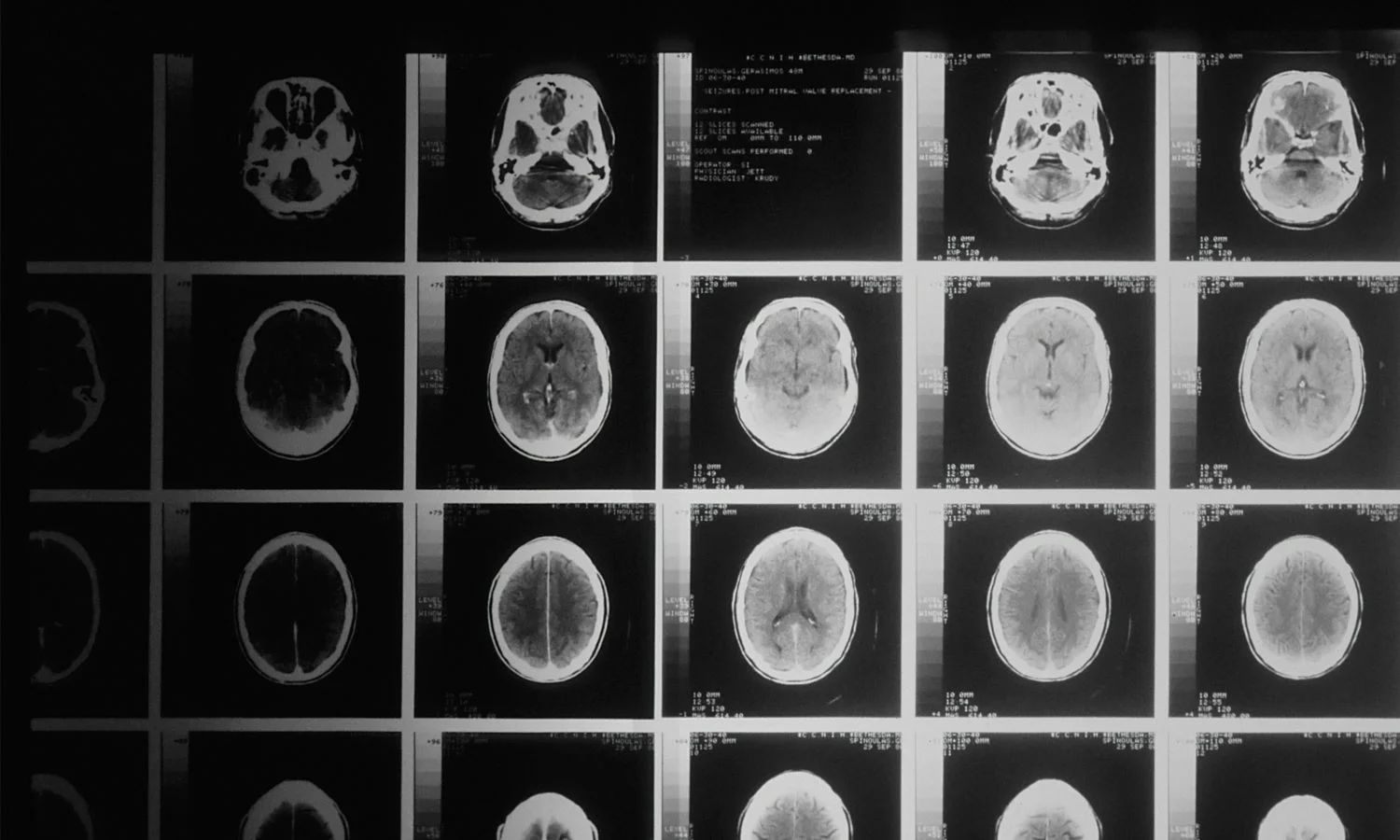
The Importance of Early Detection in Brain Haemorrhages
Brain haemorrhages are a medical emergency that require immediate attention.
They can occur suddenly and without warning, making it all the more crucial to recognize the signs early and seek prompt treatment.
However, many people are unaware of the symptoms and risks associated with brain haemorrhages, which can delay diagnosis and potentially worsen outcomes.
Why Awareness Can Save Lives
Many brain haemorrhages happen without warning. Recognising symptoms early can mean the difference between life and death.
What Is a Brain Haemorrhage?
A brain haemorrhage is bleeding in or around the brain caused by the rupture of a blood vessel.
This bleeding can lead to pressure on the brain, potentially causing long-term damage or even death.
The most common causes of brain haemorrhages include:
Head trauma
High blood pressure
Aneurysms
Blood Clotting Disorders.
Why Early Detection Matters
Early detection of a brain haemorrhage is critical because it can make a significant difference in the treatment and recovery process. The sooner a haemorrhage is identified, the sooner medical professionals can intervene, reduce brain pressure, and prevent further damage. In some cases, quick action can save lives.
How to Spot the Warning Signs
Brain haemorrhages don’t always present with obvious symptoms, but being aware of the key warning signs can help individuals and loved ones recognize the danger. Common symptoms to watch for include:
- A sudden, severe headache that feels different from usual headaches
- Nausea or vomiting
- Sudden weakness or numbness, particularly on one side of the body
- Slurred speech or difficulty understanding speech
- Vision problems or loss of vision
- Seizures
- Sudden confusion, loss of consciousness, or difficulty staying awake
If any of these symptoms are present, it’s essential to call emergency services immediately. Time is of the essence when dealing with a brain hemorrhage, and getting to a hospital quickly can improve the chances of survival and recovery.


The Role of Awareness in Prevention
Awareness is a powerful tool when it comes to brain haemorrhages. By understanding the signs, symptoms, and risks, we can encourage quicker responses and better outcomes. Public education on brain haemorrhage risks and early warning signs can help save lives.
How Kathryn’s Cause Is Helping
At Kathryn’s Cause, we are committed to raising awareness about brain haemorrhages, especially when it comes to early detection and prevention. We provide information, support, and resources for families and individuals affected by this condition. Our goal is to ensure that more people are aware of the symptoms and risks, empowering them to take action when needed.
What You Can Do
- Educate yourself and others: The more people know about brain haemorrhages, the more lives we can save.
- Support research: Fundraisers, donations, and awareness campaigns are crucial for advancing research on brain haemorrhage prevention and treatment.
- Stay vigilant: If you or a loved one experience any of the symptoms, don’t hesitate to seek medical attention.
By increasing awareness and encouraging early action, we can reduce the devastating effects of brain haemorrhages and help more people survive and recover. Join us in spreading the word and supporting those affected by this life-threatening condition.
Understanding Brain Haemorrhages: What You Need to Know
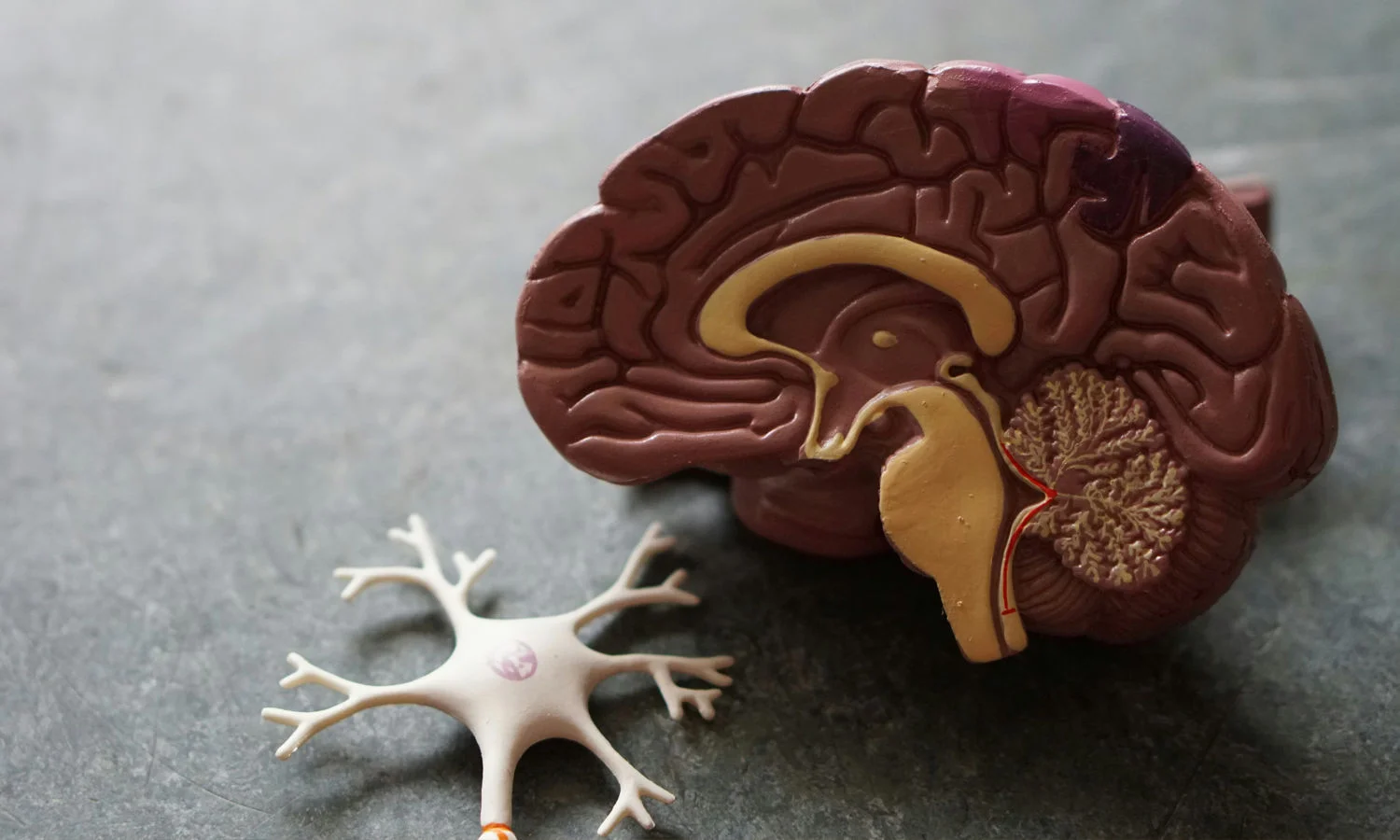
Brain haemorrhages occur when a blood vessel in the brain bursts, leading to bleeding in or around the brain. This sudden event can have serious, life-altering consequences. Unfortunately, brain hemorrhages are often misunderstood or under-recognized, which is why raising awareness is so important.
What Are the Causes of Brain Haemorrhages?
Brain haemorrhages can happen for various reasons, including:
- Head trauma: A severe blow to the head, such as from a fall or accident, can cause a blood vessel in the brain to rupture.
- High blood pressure: Chronic high blood pressure can weaken blood vessel walls, increasing the risk of rupture.
- Aneurysms: Abnormal bulges in blood vessels can burst, leading to bleeding in the brain.
- Blood clotting disorders: Conditions that affect the blood’s ability to clot can increase the likelihood of bleeding in the brain.
Common Symptoms
Recognizing the symptoms of a brain haemorrhage is essential for early intervention. Common signs include:
- Sudden and severe headache
- Nausea and vomiting
- Seizures
- Weakness or numbness, especially on one side of the body
- Difficulty speaking or understanding speech
- Vision changes or loss of vision
- Loss of consciousness or confusion
If you or someone you know experiences any of these symptoms, it’s critical to seek medical attention immediately.
Treatment and Recovery
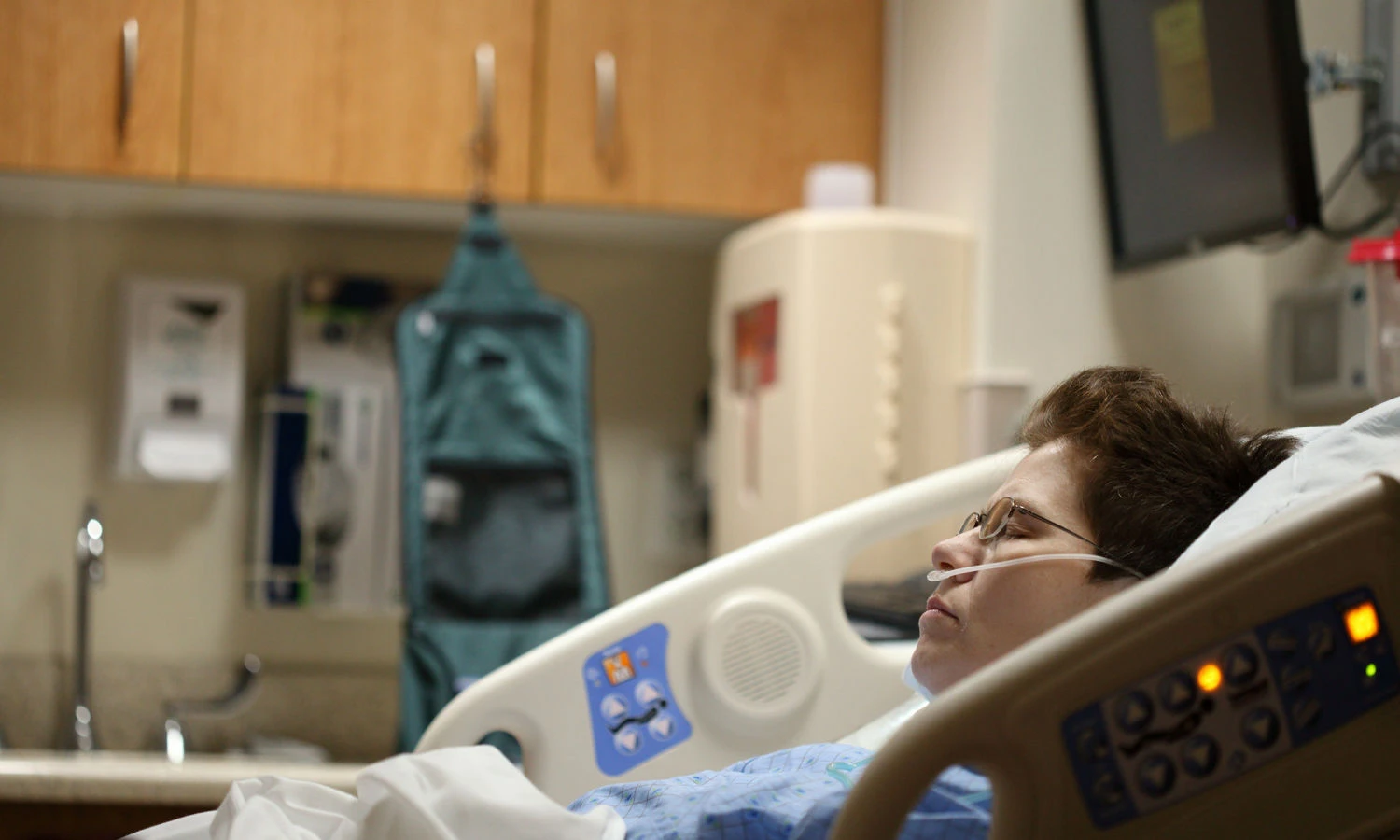
The treatment for a brain haemorrhage depends on the location and severity of the bleed. In some cases, surgery may be required to remove the blood and relieve pressure on the brain. Medications to control blood pressure or prevent seizures may also be used.
Recovery from a brain haemorrhage can take time, and many people will require rehabilitation to regain lost functions. This may include physical therapy, speech therapy, and occupational therapy to help rebuild strength and improve cognitive abilities.
Why Awareness is So Important
Brain haemorrhages can strike without warning, and their effects can be devastating. By increasing awareness and understanding, we can encourage early intervention, better outcomes, and ultimately save lives.
Kathryn’s Cause aims to raise awareness about brain haemorrhages, support families impacted by them, and advocate for research that could lead to improved prevention and treatment options.
By sharing information and supporting those who are affected, we can make a real difference.
What Can You Do?
- Get informed: Learn the signs and symptoms of brain hemorrhages.
- Donate: Support organizations dedicated to brain health and awareness.
- Share: Spread the word to help increase awareness and encourage others to act quickly if symptoms arise.
Together, we can help save lives and provide support for those facing the devastating effects of brain haemorrhages.